
Presents and Prejudice
Earlier this week, for the first time ever, one of my students asked me why I decided to be a teacher. Adults ask me all the time but never a […]
Blog
Earlier this week, for the first time ever, one of my students asked me why I decided to be a teacher. Adults ask me all the time but never a […]
[et_pb_section fb_built=”1″ _builder_version=”3.22″][et_pb_row _builder_version=”3.25″ background_size=”initial” background_position=”top_left” background_repeat=”repeat”][et_pb_column type=”4_4″ _builder_version=”3.25″ custom_padding=”|||” custom_padding__hover=”|||”][et_pb_text _builder_version=”4.0.7″ text_font=”Times New Roman||||” hover_enabled=”0″ border_style=”solid” content__hover_enabled=”off|desktop” content_last_edited=”off|desktop”] As we saw in reports from Charlottesville and other cities around the U.S.
It was 15 years ago this August when I was sitting at a table with my parents and their friends at some function I probably didn’t even want to attend. I
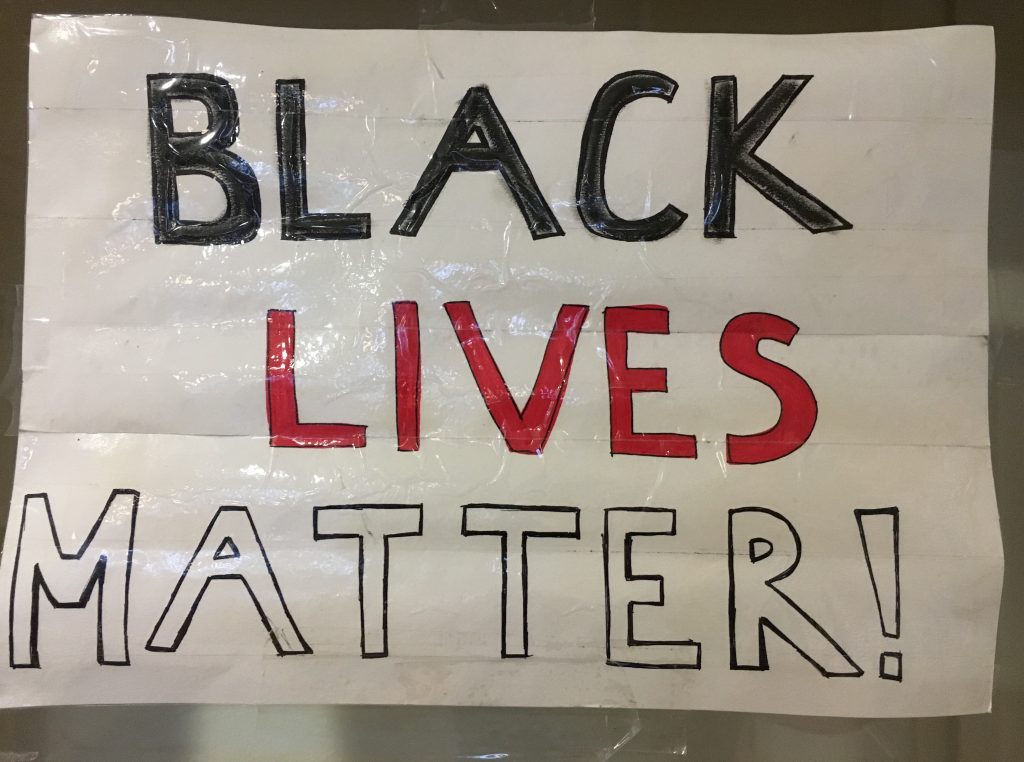
Students in Hilltop’s after-school program asked this question – of their teachers and their friends – repeatedly this year. Mostly those inquiring were black students. They had heard about Black Lives Matter on the news, and noticed how educators and students in our local Seattle Public Schools were supporting the Black Lives Matter movement. The kids wanted to support the movement too, and wanted to know how Black Lives Matter was supported at Hilltop. They took action one afternoon by making their own Black Lives Matter signs.
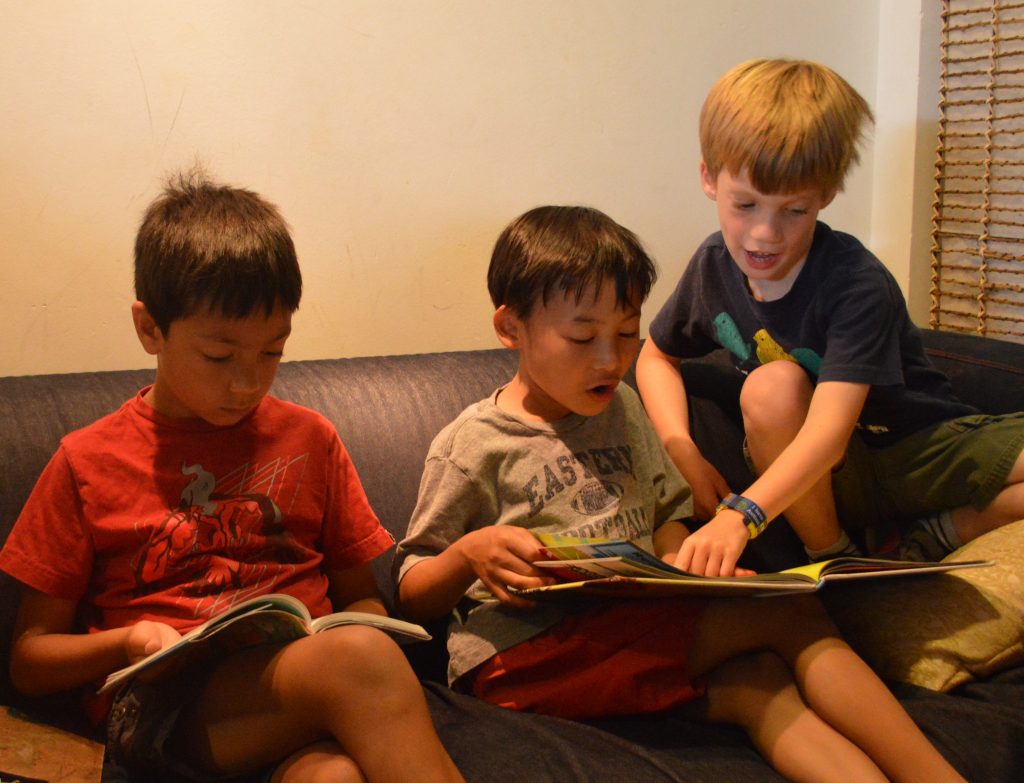
The key to developing literacy is a love of reading that is best stimulated by frequent exposure to letters and books. Reading activities that are forced on children can transform a delight into work. It is best to follow a child’s lead in when, what, and how they want to engage with books and letters, while still offering them ample opportunities in various contexts.
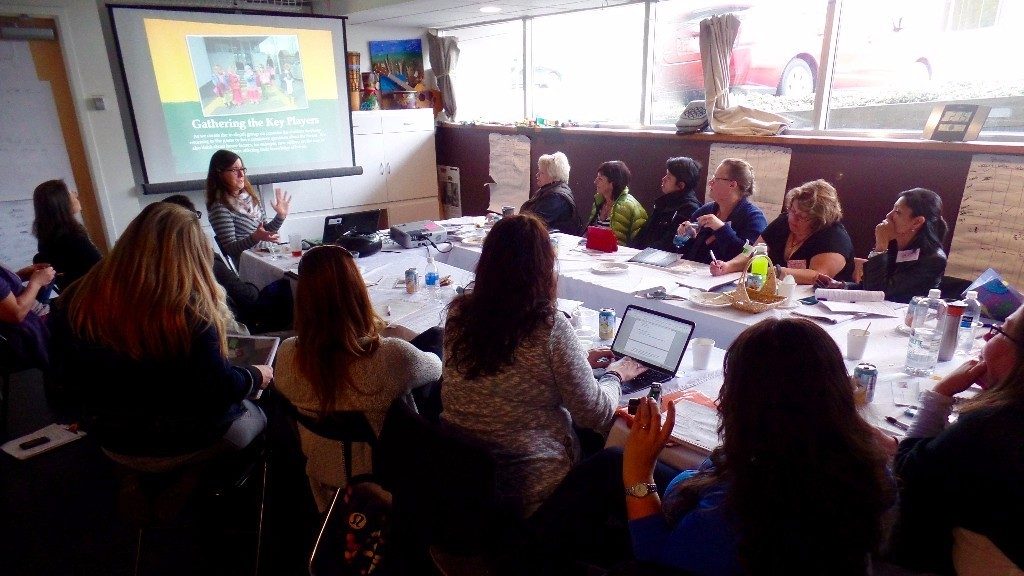
Each time a group of visitors comes to Hilltop, we get to hear their experiences, and their impressions of Hilltop, and we get a glimpse of ourselves through fresh eyes. We had a particularly poignant and revealing visit, recently, with a group of educators working in the Residential Parenting Program at the Washington Corrections Center for Women.
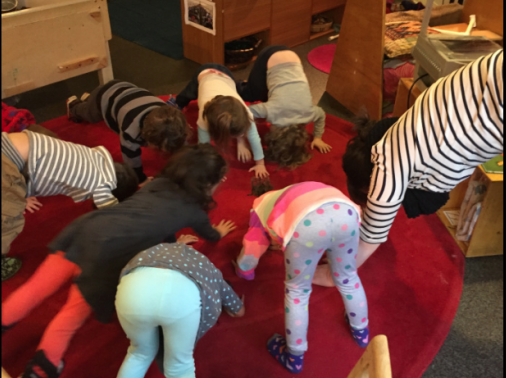
I don’t meditate, but I want to be the type of person that does. As a classroom teacher of three-year-olds, I’ve looked for ways to help the group calm down, connect with their bodies, and learn self-soothing skills. But how do I get a three-year-old to meditate, especially when I’m not a practitioner myself?
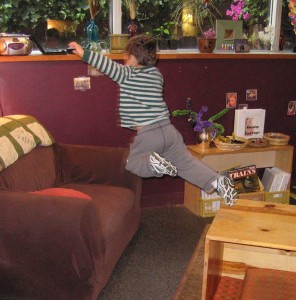
Why do children need to use their bodies – both indoors and outdoors – in strong and active ways? It’s more than just “getting their wiggles out” so they can participate cooperatively in the less active parts of their days. Children deserve access to active – even risky – play, in order to help their brains develop.
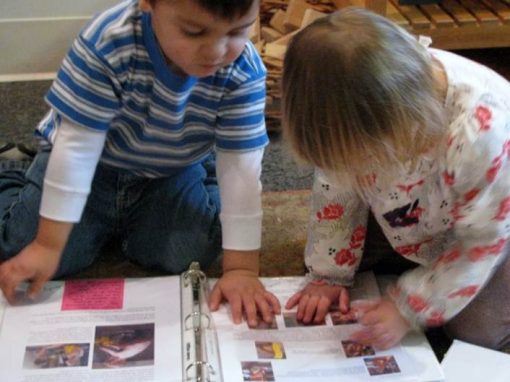
What distinguishes a Learning Story from other kinds of written documentation? Is any story about children’s learning, by definition, a learning story? Or are there some qualities that characterize an effective Learning Story?
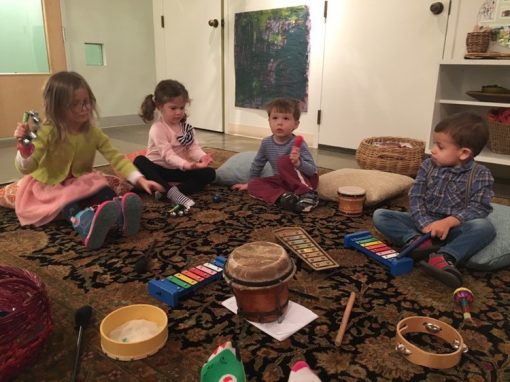
We encourage young children to work together, play with friends, negotiate, and collaborate. We believe that the best and most interesting learning happens when children are thinking together, challenging each others’ theories, and offering up new, sometimes conflicting, understandings. But what about the grownups? How can we encourage co-constructed learning for educators?